If you are a parent of a teen or young adult, one of the most meaningful questions you can ask is: how do you help them make confident financial decisions before the stakes are high?
Financial literacy is often thought of as a subject to be taught through books, apps, or formal education. In practice, it tends to develop more effectively through experience. Repeated exposure to real decisions, trade-offs, and outcomes can shape how young people understand money far more than theory alone.
At Cresta Advisors, we often see that financial literacy is not built through theory alone, but through real-life experience. Thoughtful financial planning conversations within the family can play an important role in shaping long-term habits.
With April recognized as Financial Literacy Month, it can be a good time to reflect on how financial habits are formed early in life and how families can play a role in that process.
Why Financial Literacy Often Starts With Behavior
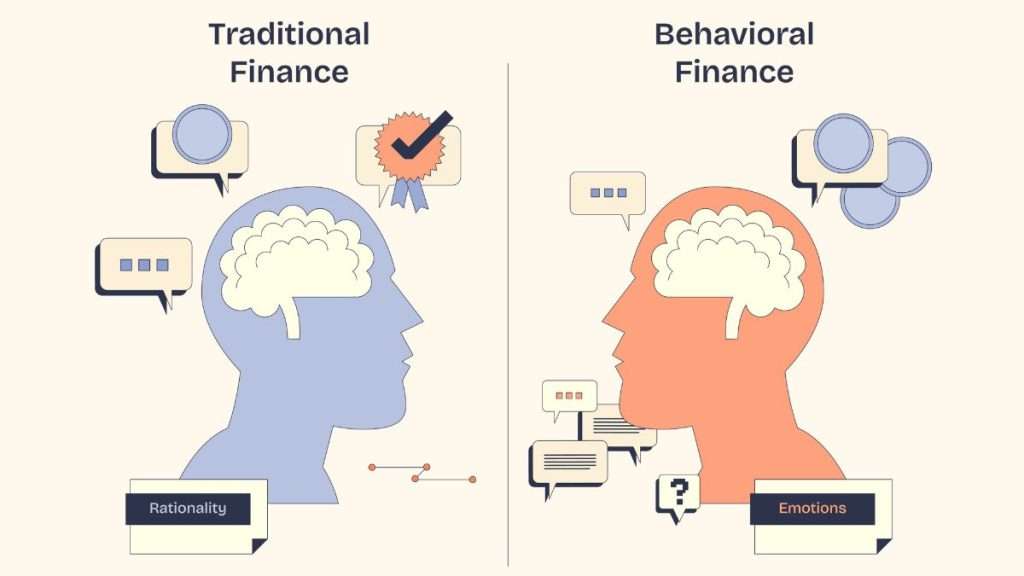
Financial decisions are both analytical and emotional. While teens may understand concepts like budgeting or investing in theory, the experience of choosing between competing priorities is what makes those ideas meaningful.
From a financial planning perspective, behavior often drives outcomes. When young people are given structured opportunities to make decisions within clear boundaries, concepts like opportunity cost, delayed gratification, and risk tolerance can become more tangible.
Using Everyday Spending as a Teaching Tool
Everyday spending can provide practical learning opportunities when the focus shifts from simply funding purchases to framing decisions.
For example, providing a fixed amount for back-to-school or personal shopping, rather than covering each expense individually, can encourage prioritization. When teens understand that spending more in one area may limit options elsewhere, they begin to internalize trade-offs.
This type of structured approach aligns with broader financial planning services that emphasize clarity, discipline, and intentional decision-making.
What Budgeting Can Teach Over Time
A structured monthly budget can introduce skills that go beyond basic spending, including planning, forecasting, and prioritization.
Assigning responsibility for categories such as clothing, activities, or personal expenses may help teens think ahead and allocate resources over time. Experiencing the consequences of early spending decisions, while not always comfortable, can provide valuable context for future choices.
These early lessons often mirror the same principles used in long-term wealth management services.
Introducing Investing Concepts Early
Investment concepts can be introduced gradually, particularly when tied to money that feels meaningful to the individual.
Milestone events, part-time income, or savings goals can serve as starting points for discussions around long-term investing. The emphasis does not need to be on complexity, but rather on understanding ownership, time horizons, and consistency.
For families thinking ahead, introducing concepts like 529 education savings plans or early investing strategies may also be part of a broader financial plan.
The Role of Earned Income
Money earned through work often carries a different level of responsibility than money received as a gift.
Encouraging teens to allocate a portion of earned income toward saving or investing can introduce the concept of delayed gratification. In some cases, families may choose to reinforce this behavior by matching contributions, creating an additional incentive to save.
Why Allowing Mistakes Matters
Financial mistakes, when the consequences are manageable, can play an important role in developing judgment.
Experiencing the outcome of a decision may create a stronger and more lasting impression than a hypothetical lesson. While it can be difficult not to intervene, allowing room for learning can help build resilience and decision-making skills over time.
Preparing for Financial Independence
As teens transition into young adulthood, the structure around money can gradually shift.
This may include moving from direct financial support to defined budgets, discussing financial responsibilities, and introducing topics such as credit, saving, and long-term planning. College, in particular, can be an important moment to set expectations around costs, trade-offs, and financial independence.
Working with experienced financial advisors in Laredo, TX can also help families navigate these transitions with more clarity.
Keeping the Conversation Ongoing
Financial education is not a one-time conversation. It evolves alongside life stages and circumstances.
Open, ongoing discussions about money can help normalize financial decision-making and reduce uncertainty. Over time, young adults may become more comfortable asking questions, evaluating options, and making informed choices.
A Thoughtful Approach to Financial Education
Effective financial education at home is often quiet and cumulative. It develops through structure, consistency, and experience rather than formal instruction alone.
The goal is not to eliminate mistakes or achieve perfect outcomes, but to build a foundation that supports thoughtful decision-making over time.
We Are Here for You
At Cresta Advisors, we provide financial planning, wealth management services, and education planning strategies to help families make informed decisions across generations.
If you would like to discuss your financial plan or explore strategies such as education savings plans, retirement planning, or long-term wealth management, our team is here to help.
Disclosure
This material is provided for informational purposes only and is not intended as investment, tax, or legal advice. You should consult your financial, tax, and legal professionals before making any decisions based on your individual circumstances. Investing involves risk, including the possible loss of principal. Past performance is not indicative of future results.
Sources:
1. Calculator.net, January 2026
2. Next Gen Personal Finance, October 9, 2025